Consultant Radiologist and Interventional Pain Specialist • Updated 16 September 2026
The 30-second answer
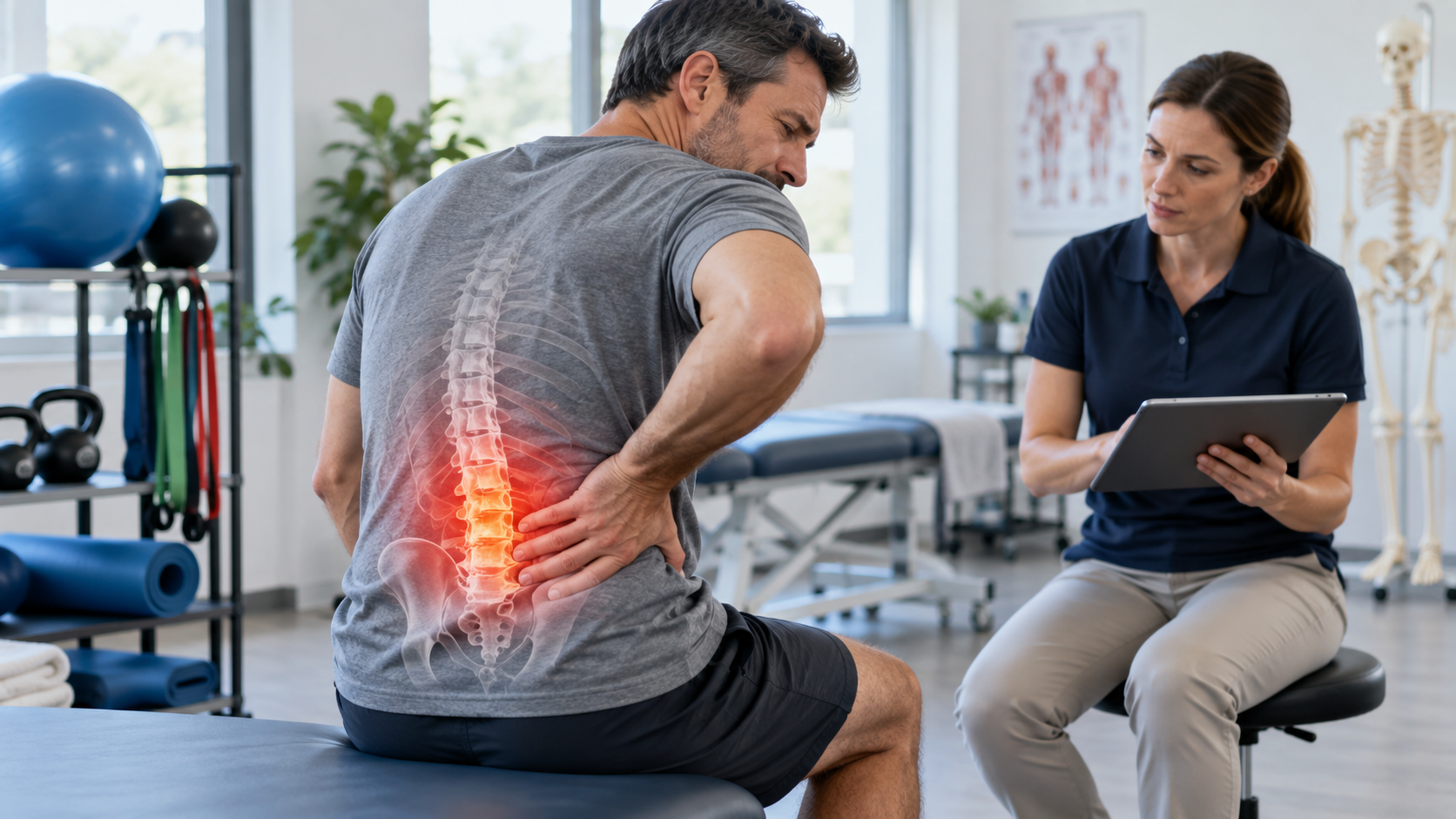
A procedure can reduce pain, but rehabilitation helps you use that window of improvement. Strength, mobility, confidence, activity tolerance and movement habits often need to be rebuilt if the goal is lasting functional improvement.
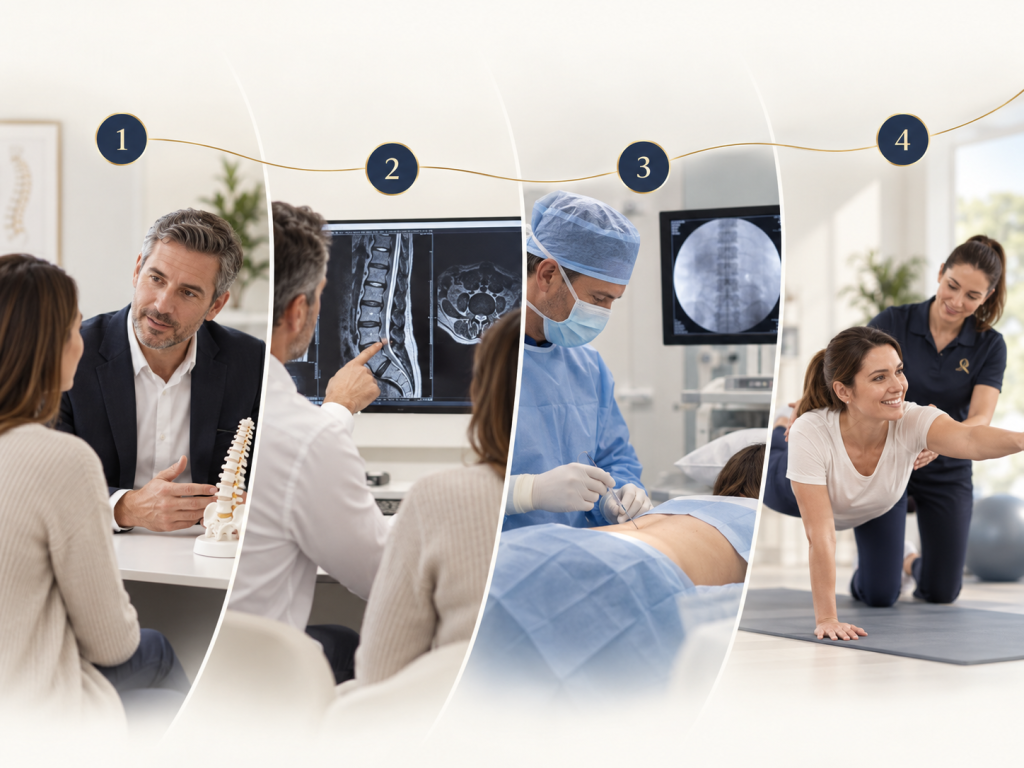
Step 1
Your pain
Step 2
The right diagnosis
Step 3
The right treatment for you
Step 4
Recovery
Understanding the problem
Pain relief and recovery are not the same thing
A successful injection or other treatment may reduce symptoms, but it does not automatically restore strength, endurance or confidence. If activity has been reduced for months, the body often needs a structured return to function.
Start with the diagnosis, not the procedure.
Rehabilitation gives treatment a purpose
The practical goal is usually not a pain score. It may be walking further, sleeping better, returning to work, training again or managing daily life more comfortably. Rehabilitation should be linked to those goals.
Why timing matters
When pain is temporarily reduced, some patients can engage more effectively with exercise and movement. This can create a useful opportunity to progress rehabilitation while symptoms are more manageable.
One coordinated plan is easier to follow
When the clinician performing an intervention and the rehabilitation team work from the same diagnosis and goals, the patient receives a more coherent message and the next step is clearer.
Our model combines senior clinical assessment, specialist imaging, pain medicine, targeted intervention and rehabilitation. The aim is to reduce fragmentation, avoid unnecessary duplicated steps and give you a clearer plan.
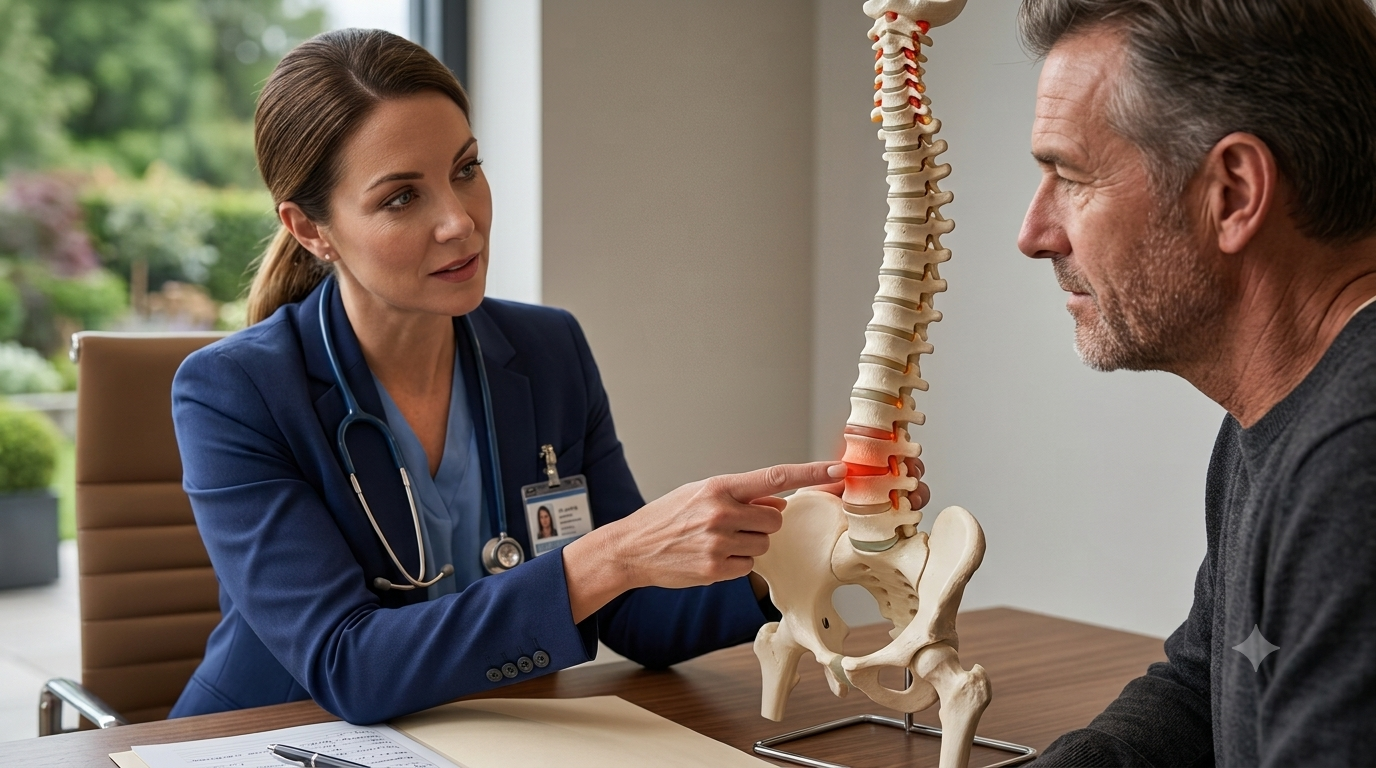
Consultant-led assessment
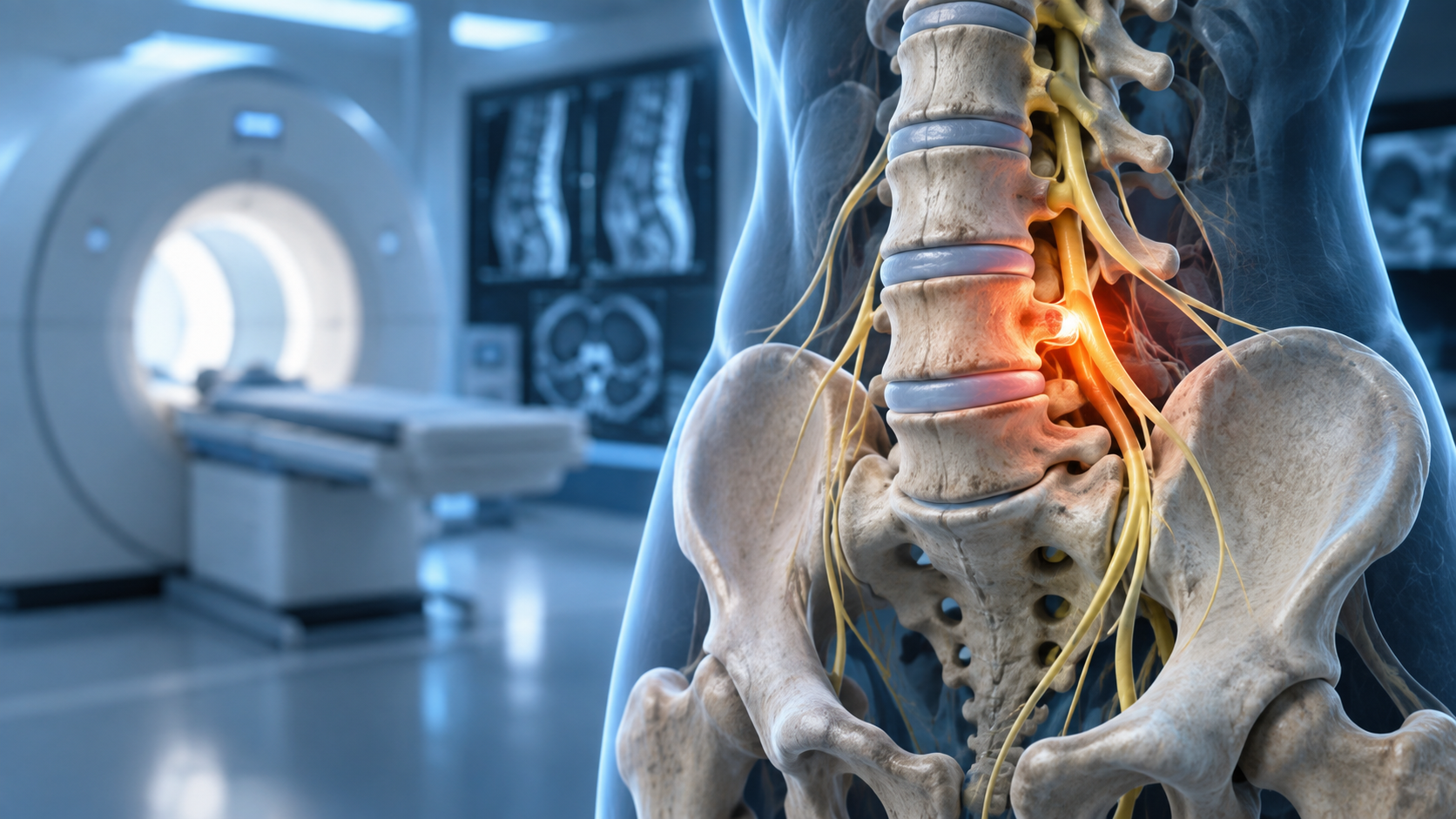
Open MRI, X-ray and ultrasound
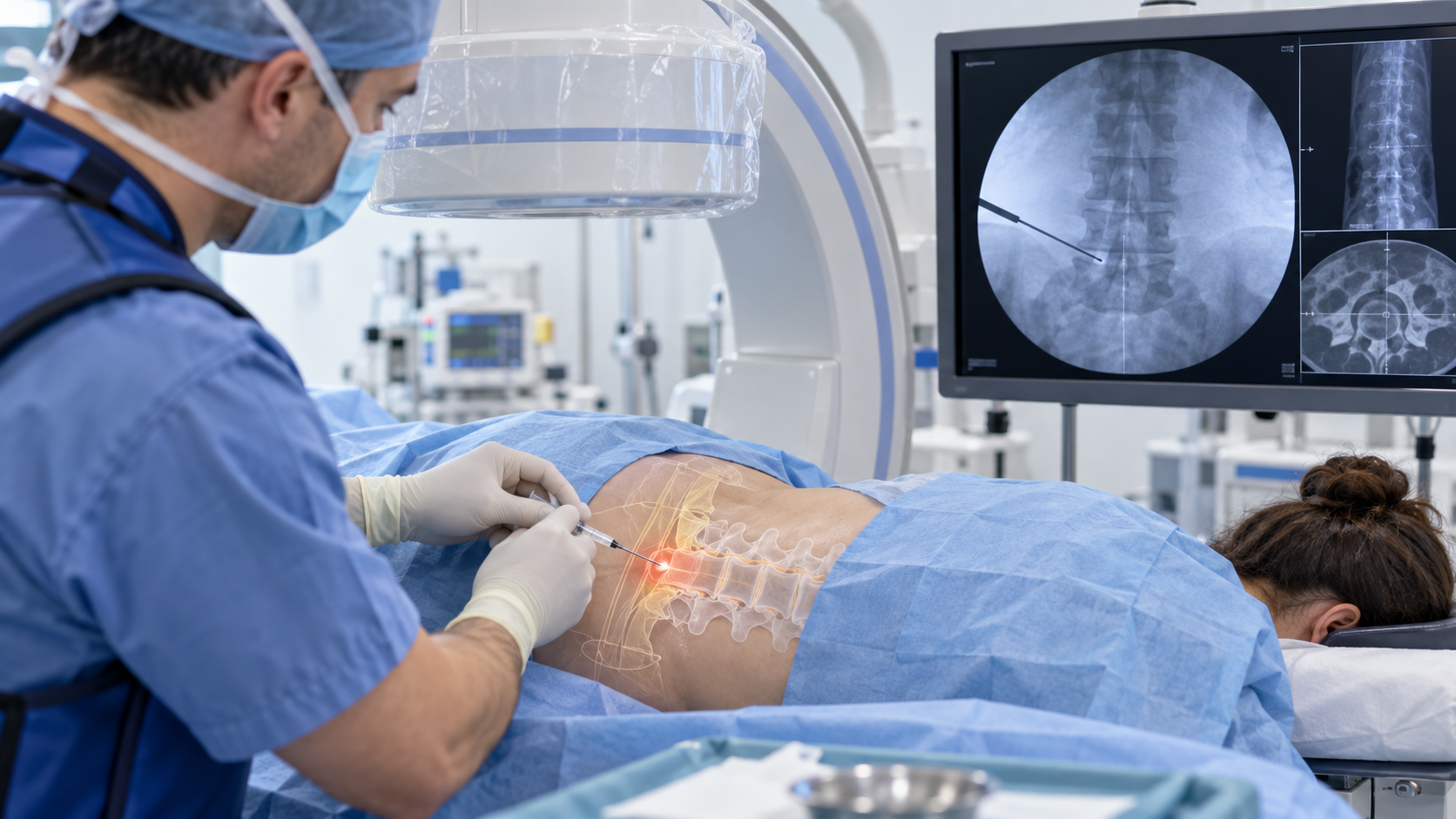
Image-guided procedures when appropriate
Physiotherapy, chiropractic and rehabilitation
Rheumatology and orthopaedic input when needed
Transparent, coordinated private care
The Dorset Pain Clinic difference
A complete team around the patient.
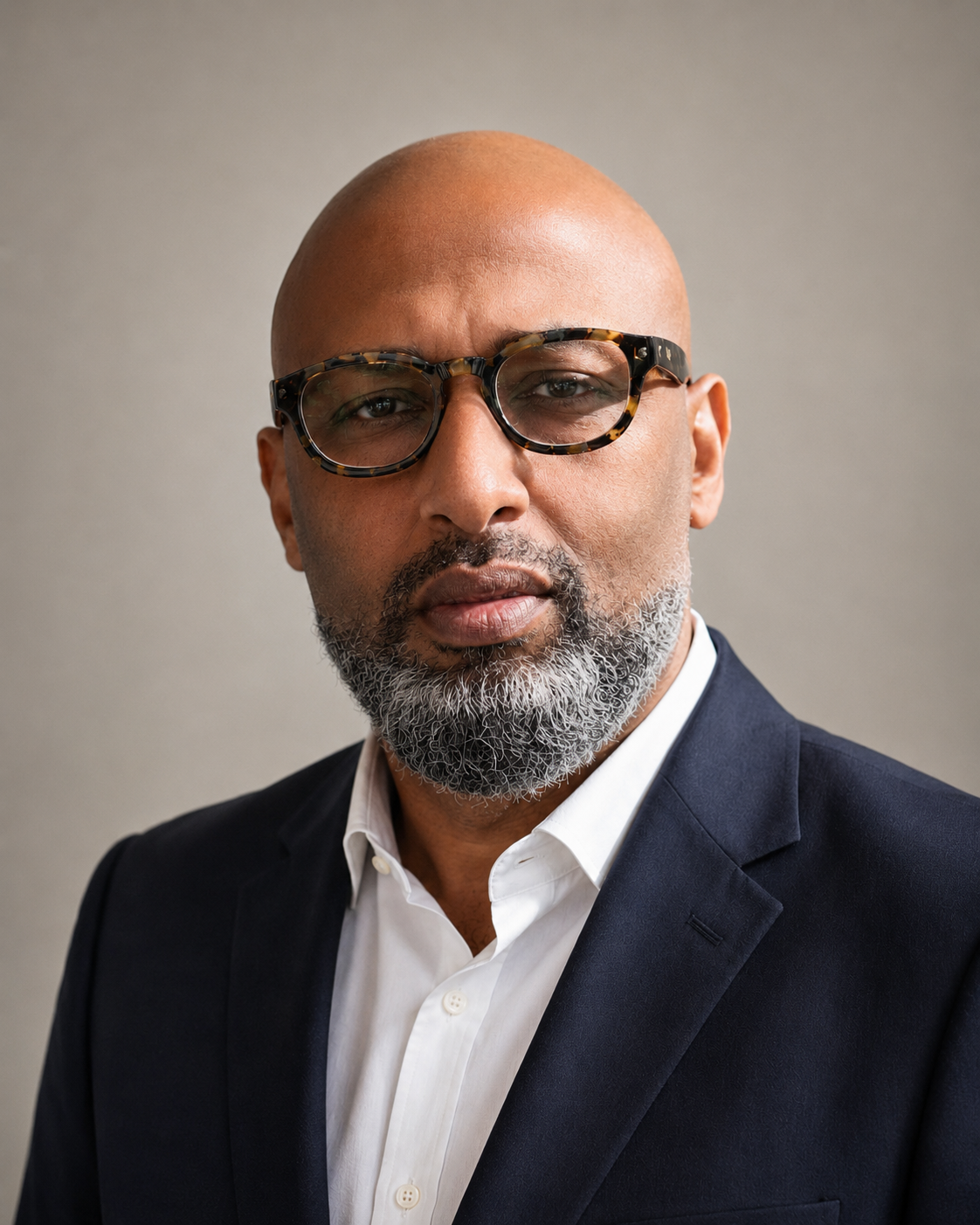
Dr Laith Al-Obaidi
Consultant Radiologist and Interventional Pain Specialist
Combines diagnostic imaging expertise with image-guided musculoskeletal and spinal intervention, linking symptoms, examination and imaging before deciding whether a procedure is appropriate.
Dr Khalid Alaib
Consultant in Pain Medicine and Anaesthesia
Provides senior specialist assessment of persistent and complex pain, medication review and personalised treatment planning, with extensive experience in interventional pain medicine.
Common questions
Answered simply.
Do I always need physiotherapy after an injection?
Not always, but rehabilitation is commonly useful when weakness, reduced movement, deconditioning or fear of movement are part of the problem.
Can I exercise immediately after a procedure?
That depends on the procedure and your individual instructions. Follow the advice provided by your treating clinician.
What if exercise increases pain?
Some increase in symptoms can occur during rehabilitation. The plan should be adjusted to your condition, response and goals rather than abandoned automatically.
If pain is affecting your sleep, work, mobility or confidence, a specialist assessment can help clarify what is happening and what the sensible next step should be.