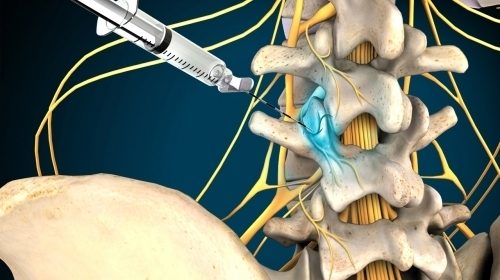
Why “physiotherapy did not work” does not always mean rehabilitation has failed, and when the diagnosis or treatment sequence needs to be reconsidered.
Consultant Radiologist and Interventional Pain Specialist • Updated 16 September 2026
The 30-second answer
If pain persists despite physiotherapy, the next step is not automatically an injection or surgery. First ask whether the diagnosis is correct, whether the programme matched the condition, whether enough time was given, and whether pain was preventing meaningful rehabilitation.
Step 1
Your pain
Step 2
The right diagnosis
Step 3
The right treatment for you
Step 4
Recovery
Understanding the problem
Physiotherapy is not one treatment
The word covers many different approaches. A generic exercise sheet, a condition-specific strengthening programme and a structured rehabilitation pathway are not equivalent. A poor response may reflect the programme rather than the concept of rehabilitation itself.
Start with the diagnosis, not the procedure.
The diagnosis may need another look
If symptoms are not behaving as expected, it may be sensible to reassess the pain pattern, examination and any previous imaging. Occasionally a different source of pain, nerve involvement or another medical condition becomes clearer over time.
Pain can block rehabilitation
Severe pain may make it difficult to load a tendon, move a joint or progress spinal rehabilitation. In selected situations, medication changes or an image-guided intervention may be used to create a better opportunity for rehabilitation.
Sometimes the answer is a different specialist
Persistent symptoms may need input from pain medicine, radiology, rheumatology, orthopaedics or another discipline. The advantage of a multidisciplinary pathway is that the patient does not have to start again from zero each time the plan changes.
Our model combines senior clinical assessment, specialist imaging, pain medicine, targeted intervention and rehabilitation. The aim is to reduce fragmentation, avoid unnecessary duplicated steps and give you a clearer plan.
Consultant-led assessment
Open MRI, X-ray and ultrasound
Image-guided procedures when appropriate
Physiotherapy, chiropractic and rehabilitation
Rheumatology and orthopaedic input when needed
Transparent, coordinated private care
The Dorset Pain Clinic difference
A complete team around the patient.
Dr Laith Al-Obaidi
Consultant Radiologist and Interventional Pain Specialist
Combines diagnostic imaging expertise with image-guided musculoskeletal and spinal intervention, linking symptoms, examination and imaging before deciding whether a procedure is appropriate.
Dr Khalid Alaib
Consultant in Pain Medicine and Anaesthesia
Provides senior specialist assessment of persistent and complex pain, medication review and personalised treatment planning, with extensive experience in interventional pain medicine.
Common questions
Answered simply.
Does failed physiotherapy mean I need an injection?
No. It means the diagnosis, programme and next step should be reviewed.
Should I stop exercising if it hurts?
Not automatically. The response depends on the condition and severity. Your programme may need adjustment rather than complete rest.
When should I seek another opinion?
When symptoms persist, worsen, repeatedly recur, or the diagnosis and plan remain unclear despite a reasonable course of care.
If pain is affecting your sleep, work, mobility or confidence, a specialist assessment can help clarify what is happening and what the sensible next step should be.