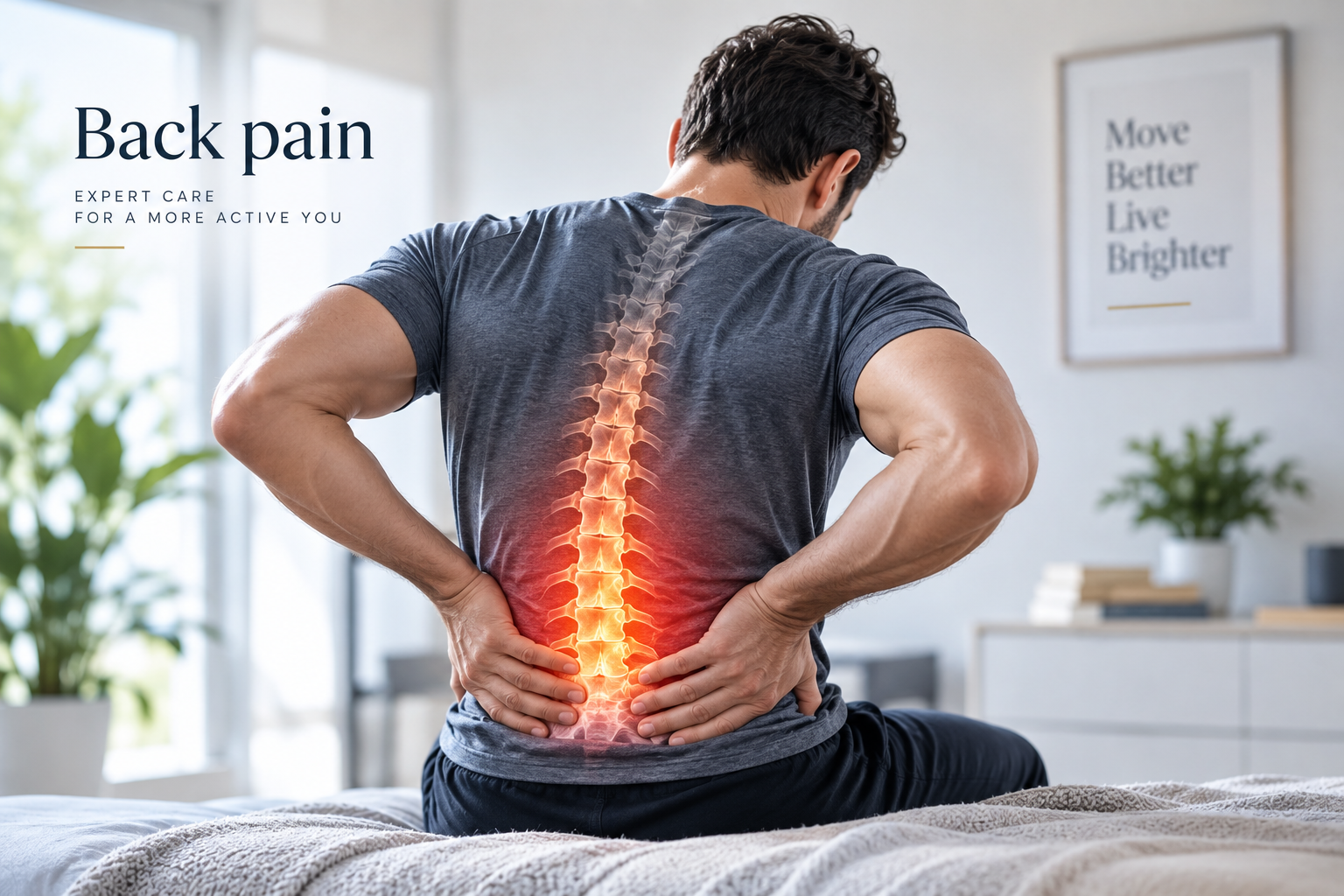



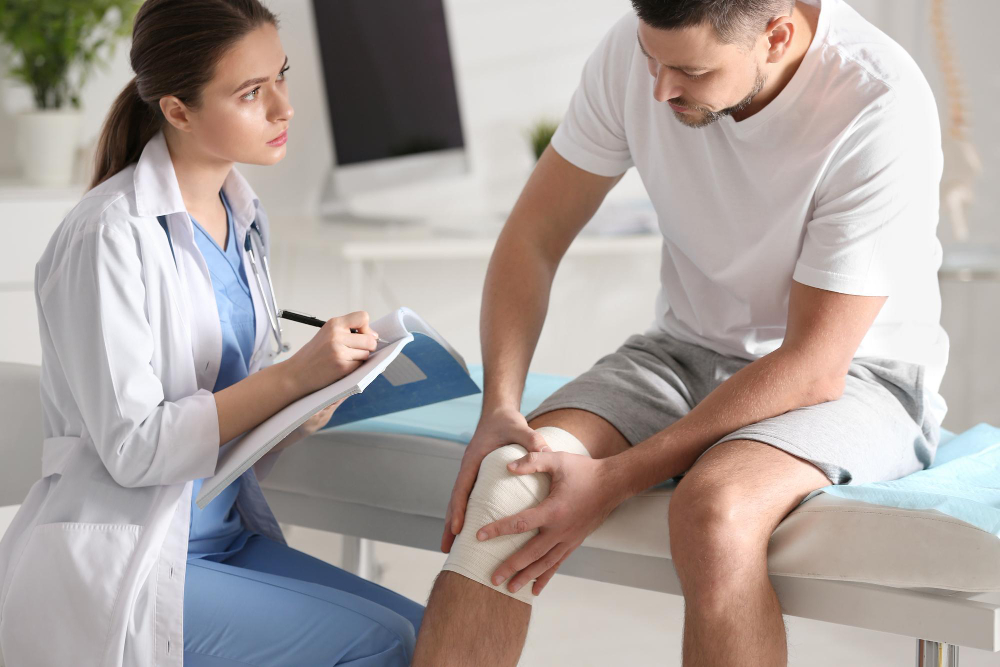
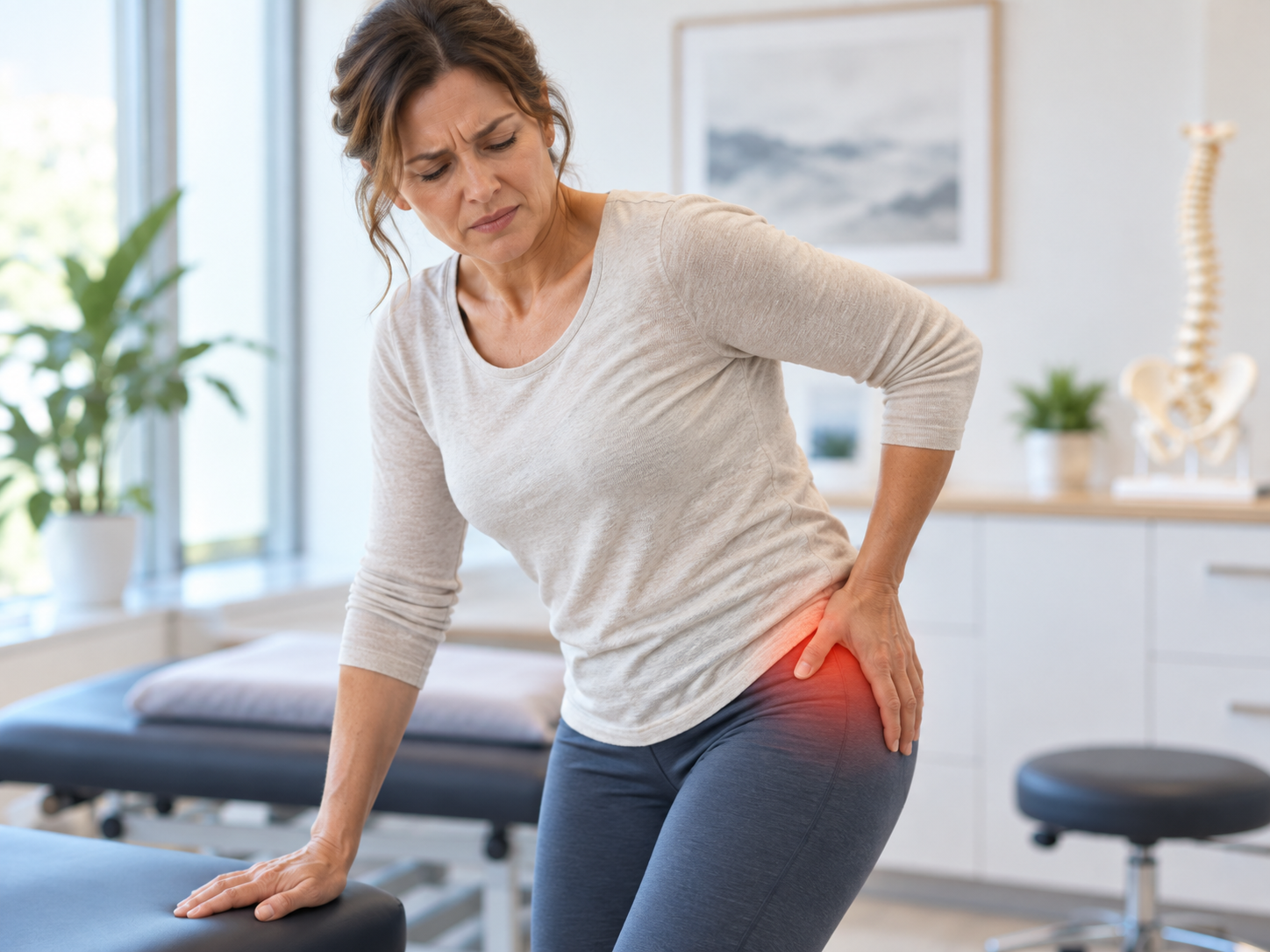



We assess and treat a wide range of musculoskeletal and spinal pain conditions, including back pain, neck pain, sciatica, joint pain, shoulder pain, hip and knee pain, sacroiliac joint pain and persistent musculoskeletal pain.


Consultant-led care for spine, joint, headache, sports injury and musculoskeletal pain — delivered with clinical precision and a clear plan for recovery.
Consultant-led care for spine, joint, headache, sports injury and musculoskeletal pain — delivered with clinical precision and a clear plan for recovery.
WHY CHOOSE DORSET PAIN CLINIC
We provide expert, evidence-based care for a wide range of painful conditions, using advanced image-guided techniques and a personalised approach to help you achieve lasting relief.
Pain is rarely simple. Our consultants combine careful diagnosis, modern image-guided techniques and personalised rehabilitation — so every treatment decision is made for a reason and explained in full.
Every patient is seen by an experienced pain consultant — never delegated, never rushed.
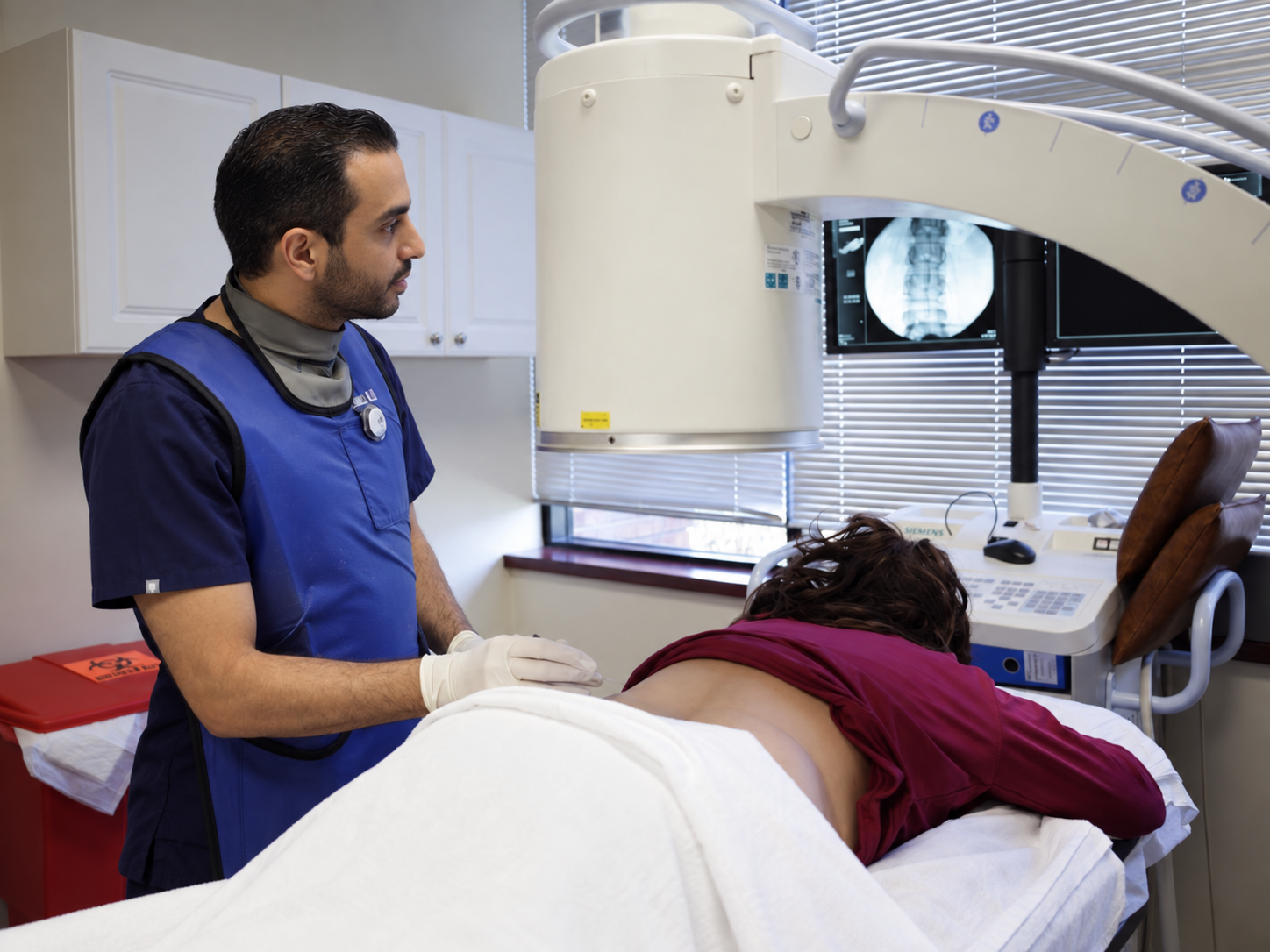
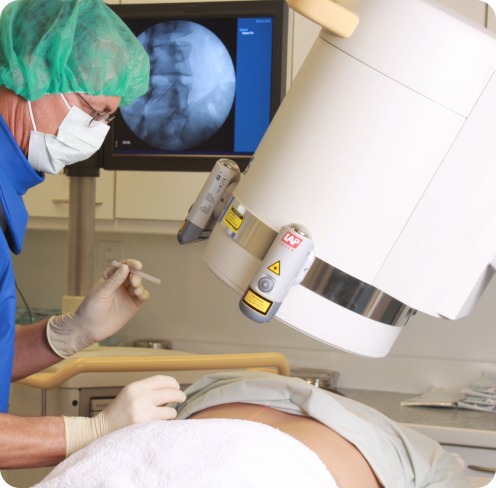
Ultrasound and X-ray ensure treatment is delivered exactly where it is needed.
We explain what is causing your pain, what your options are, and what to expect at each step.
Procedures are paired with personalised rehabilitation to support a lasting recovery.
Image guidance allows us to place medication exactly where it is needed — improving accuracy, safety and outcomes when injections are clinically indicated.
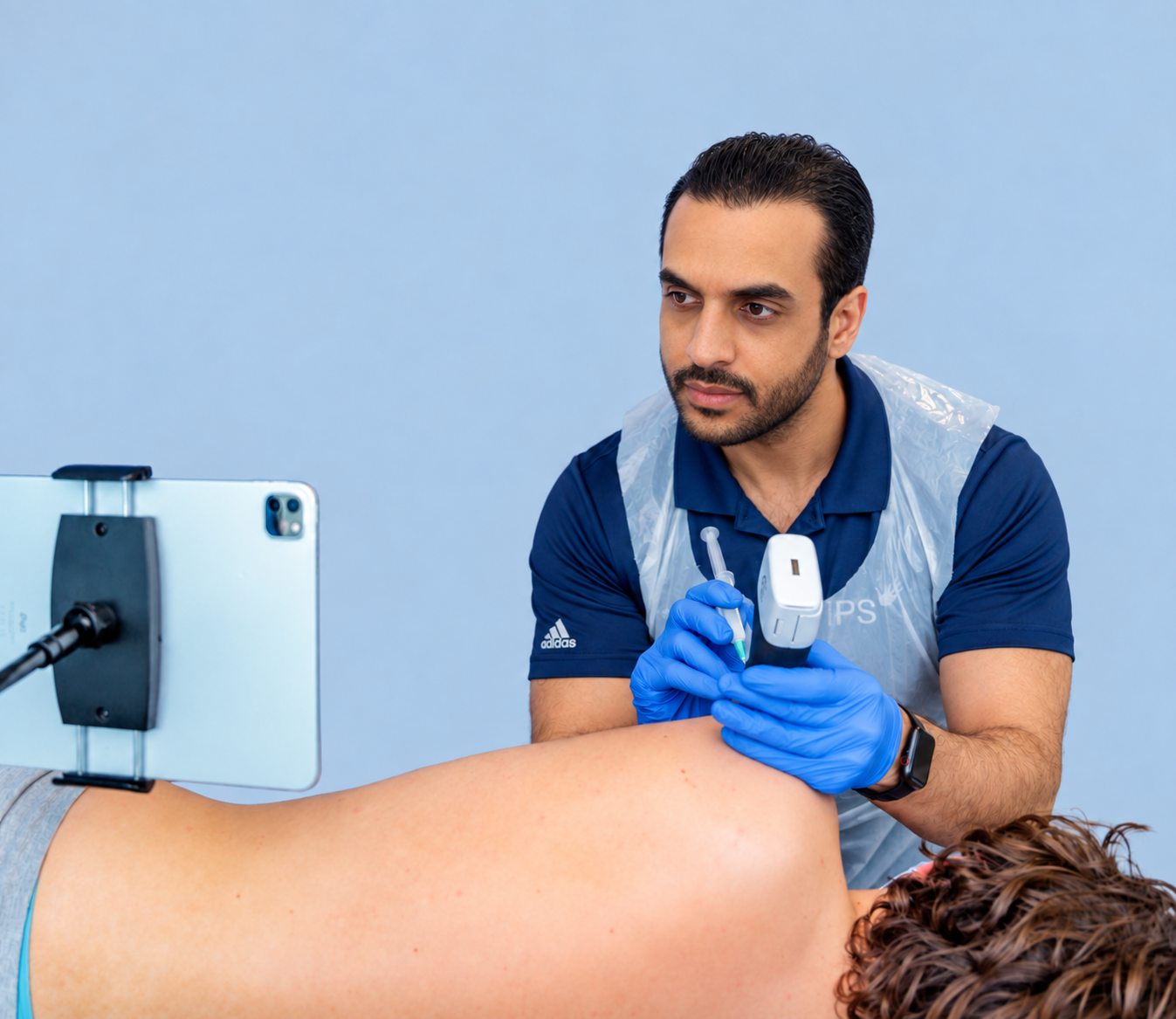
Two senior specialists, working together, so diagnosis and treatment are seamless from first appointment to recovery.

Dr Laith Al-Obaidi is a Consultant Radiologist and Interventional Pain Specialist with expertise in musculoskeletal and spine imaging, ultrasound, and image-guided procedures
He brings years of consultant-level experience across NHS and private practice, with particular expertise in identifying the true source of pain through high-quality imaging and targeted diagnostic assessment.
At Dorset Pain Clinic, Dr Al-Obaidi leads the imaging and interventional side of the service, ensuring that every treatment is based on a clear diagnosis, careful image review, and precise image-guided technique.

Dr Khalid Alaib is a Consultant in Pain Medicine and Anaesthesia with extensive experience managing spinal pain, nerve-related pain, joint pain, and complex long-term pain conditions.
He has worked across the NHS and private hospitals, including specialist pain services. His expertise includes pain assessment, medication optimisation, rehabilitation-focused care, and fluoroscopy-guided pain interventions.
At Dorset Pain Clinic, Dr Alaib brings senior expertise and a patient-centred approach to helping patients understand their pain and access appropriate treatment.
Treatment is most effective when it is paired with the right rehabilitation. We collaborate closely with HSU Rehabilitation & Health and Fitness Services to provide a personalised plan — combining strength, mobility, conditioning and education — so improvements last.
Designed around your diagnosis, goals and lifestyle.
Strength and mobility, supported by education and habit change.
Progress is reviewed by your consultant and rehab lead.
Diagnosis, procedure and rehab — joined-up care, every step.
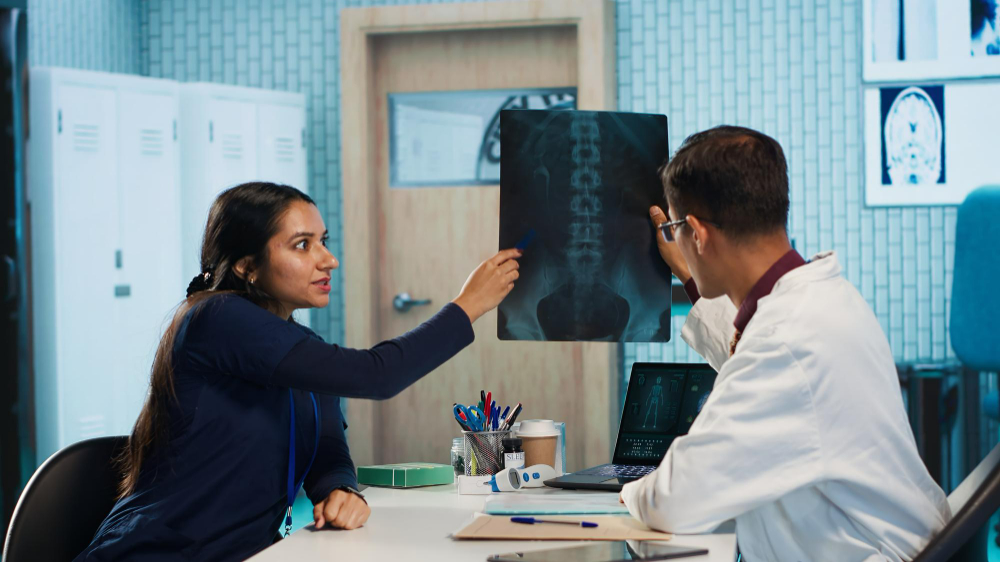
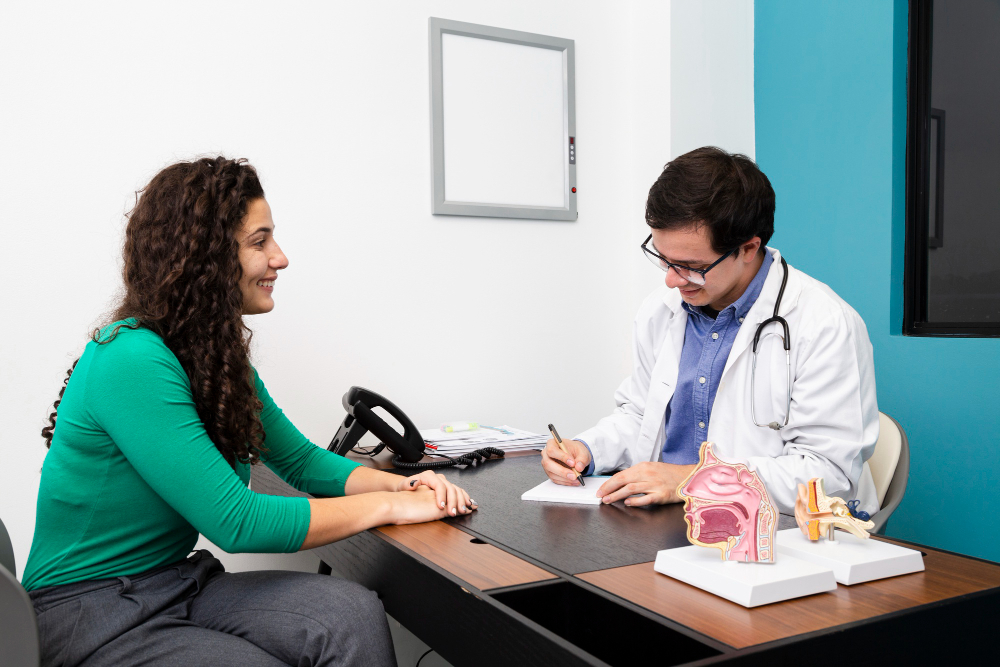
A detailed, unhurried review of your symptoms, history and goals with a consultant.
Our patients tell us what makes the difference is the time we take, the precision of the treatment, and the clarity of the plan. Six reasons we hear most often.

Every consultation, scan and procedure is performed by a senior consultant.
You receive a written plan with realistic expectations and full informed consent.

Direct referral pathways into trusted rehabilitation and fitness partners.

A discreet, unhurried environment built around the patient experience.
We assess and treat a wide range of musculoskeletal and spinal pain conditions, including back pain, neck pain, sciatica, joint pain, shoulder pain, hip and knee pain, sacroiliac joint pain and persistent musculoskeletal pain.
Not always. Self-referral may be available for many appointments, although some insurers require a GP or specialist referral before they will authorise treatment.
Not everyone needs imaging. A scan is recommended when it is likely to clarify the diagnosis or change your treatment. We aim to avoid unnecessary investigations.
Your clinician will review your symptoms, medical history, previous treatments and any available scans. You will then discuss the likely cause of your pain and the available investigation and treatment options.
Treatment depends on the underlying problem and may include advice, rehabilitation, image-guided injections and other interventional pain procedures. We will discuss the options appropriate to your individual condition.
Most patients tolerate image-guided injections well. You may feel brief pressure, stinging or discomfort during the procedure. Local anaesthetic is used where appropriate.
Many procedures take approximately 15 to 30 minutes, although more complex treatments may take longer. You may also need a short period of observation afterwards.
Image-guided injections are commonly performed and serious complications are uncommon, but no procedure is completely risk-free. The specific benefits, risks and alternatives will be discussed before treatment.
A poor response can still provide useful diagnostic information. Your clinician can review the result and discuss whether further investigation, rehabilitation, another procedure or a different treatment approach is appropriate.
You can contact Dorset Pain Clinic directly or use the appointment enquiry form. Our team can advise which type of appointment is most appropriate.
No. Many patients come to us because the cause of their pain is unclear. We can review your symptoms, examination findings and previous imaging, then advise on the most appropriate next step.
Yes. Previous MRI, CT, X-ray or ultrasound examinations can often provide valuable information and may prevent unnecessary repeat imaging.
Yes. Depending on the procedure, injections may be performed using ultrasound or X-ray guidance to allow accurate placement of the needle.
Not necessarily. Injections can reduce pain and inflammation and may help confirm where pain is coming from, but the response varies between patients. They are usually part of a broader treatment plan rather than a guaranteed cure.
Local anaesthetic may provide relief within minutes or hours. Steroid injections usually take several days to begin working and can occasionally take longer.
This varies considerably. Some patients experience short-term improvement, while others may obtain relief lasting several months. The duration depends on the underlying condition and the treatment performed.
Yes. Some patients experience increased soreness for a short period after an injection. This usually settles, but you will receive advice about what to expect and when to seek medical attention.
This depends on the procedure. For some spinal or interventional treatments you may be advised not to drive afterwards and should arrange transport home. Specific instructions will be provided before your appointment.
This depends on the treatment and your occupation. Many patients return to normal light activities quickly, although strenuous exercise may need to be avoided temporarily.
Continue your usual medication unless specifically advised otherwise. It is particularly important to tell us if you take blood-thinning medication, have diabetes or have any significant medical conditions.
Often yes, but this depends on the medication and the type of procedure. Never stop anticoagulant or antiplatelet medication without specific medical advice.
Usually, but steroid injections can temporarily increase blood glucose levels. Please tell your clinician if you have diabetes so this can be considered when planning treatment.
Please tell us if you are pregnant or could be pregnant. Some investigations and procedures may need to be modified, postponed or performed using an alternative imaging method.
Please bring a list of your medications and details of previous treatments. If you have had relevant imaging elsewhere, providing access to the images and reports can be particularly helpful.
Yes. We assess both new and persistent pain. The treatment approach will depend on the cause, duration of symptoms and treatments you have already tried.
This is common. Pain does not always come from a single structure. Clinical assessment and targeted imaging or diagnostic injections can sometimes help determine which findings are actually relevant to your symptoms.
No. Many changes seen on scans are common and may not be responsible for symptoms. Imaging needs to be interpreted alongside your clinical history and examination.
Yes. Your clinician will explain the reasonable options, expected benefits, limitations and risks so that you can make an informed decision about your care.
No. A consultation does not commit you to any procedure. You can discuss the options, consider them and decide how you wish to proceed.
Yes. We can review previous investigations and treatments, reassess the likely source of pain and discuss whether another approach may be appropriate.
Seek urgent medical attention for symptoms such as new significant weakness, loss of bladder or bowel control, numbness around the genital or saddle area, severe pain following major trauma, or pain associated with severe systemic illness.
Yes. We see both privately insured and self-paying patients. Insurance authorisation requirements vary between providers, so please check with your insurer before treatment.
Costs depend on the consultation, imaging and procedure required. We aim to provide clear information about fees before you proceed with treatment.
There is no single treatment that is appropriate for every patient. The aim of your assessment is to identify the most likely cause of your symptoms and recommend treatment based on your individual circumstances.
Ultrasound or X-ray guidance allows the clinician to see the relevant anatomy and guide the needle accurately towards the intended target.
Expert diagnosis. Image-guided treatment. A clear plan for recovery.