Consultant Radiologist and Interventional Pain Specialist • Updated 16 September 2026
The 30-second answer
Pain around the sacroiliac joint can mimic lower-back, buttock or hip pain. No single symptom or scan proves the diagnosis. A focused history, examination and consideration of alternative causes are essential before treatment is discussed.
Step 1
Your pain
Step 2
The right diagnosis
Step 3
The right treatment for you
Step 4
Recovery
Understanding the problem
Where is the sacroiliac joint?
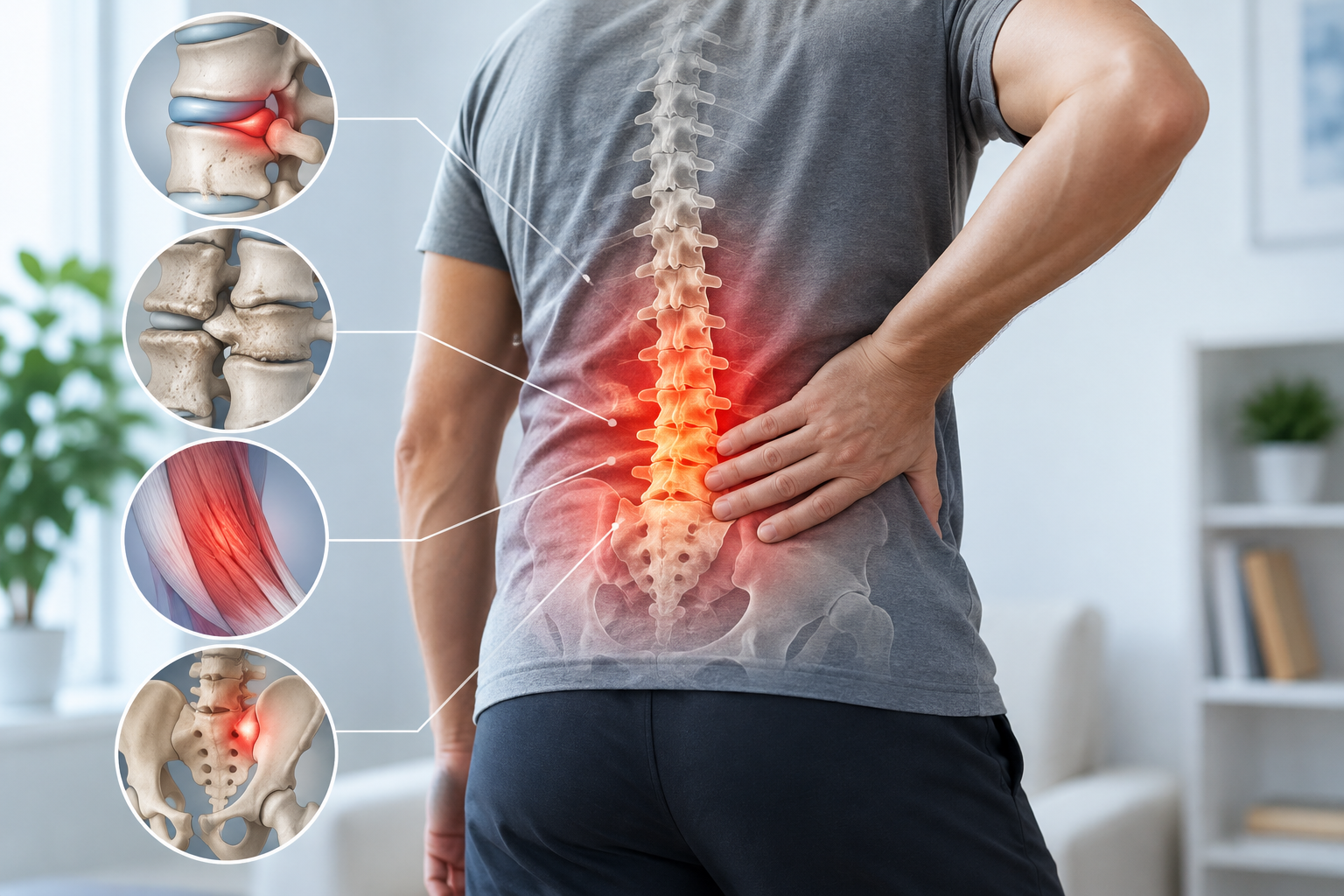
The sacroiliac joints connect the sacrum at the base of the spine to the pelvis. Pain arising around this region is commonly felt low in the back or buttock and can sometimes spread into the thigh.
Start with the diagnosis, not the procedure.
Why is diagnosis difficult?
The symptoms overlap with lumbar facet pain, hip problems, muscular pain and nerve-related conditions. Imaging can identify inflammation, arthritis or other structural abnormalities, but many patients have non-specific imaging findings.
What does the assessment involve?
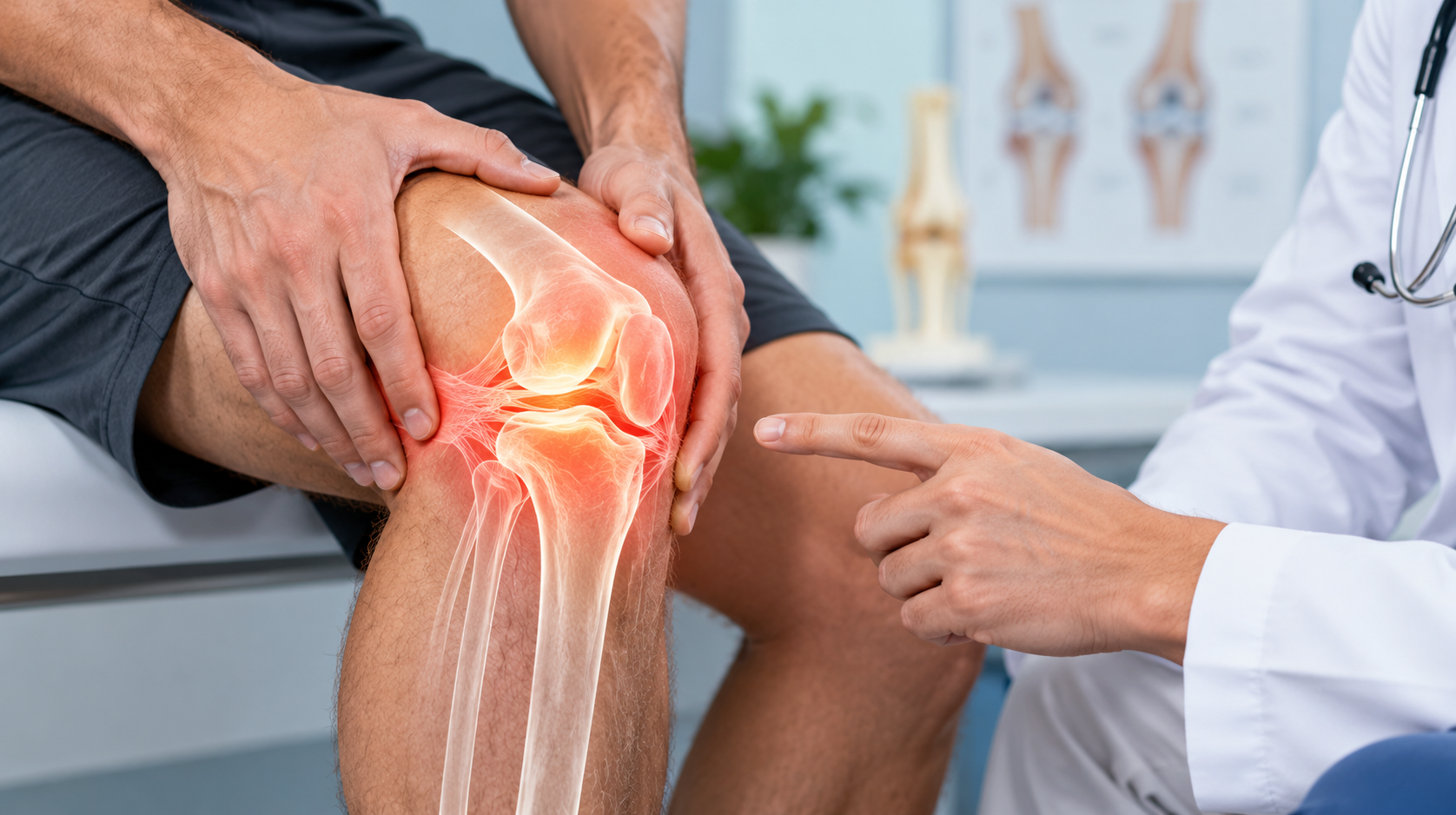
The clinician looks at the pattern of pain, aggravating activities, hip and spine movement, neurological features and a group of physical examination manoeuvres. The value comes from the pattern rather than one isolated test.
What happens after diagnosis?
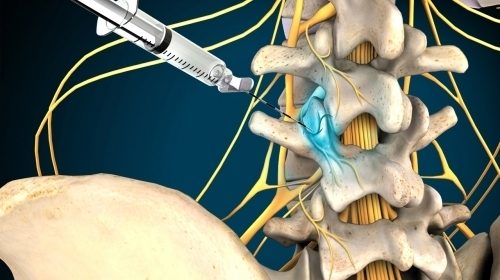
Management may include rehabilitation, activity modification and treatment of contributing problems. In selected cases, an image-guided diagnostic or therapeutic injection may be considered, but only after the clinical picture has been reviewed.
Our model combines senior clinical assessment, specialist imaging, pain medicine, targeted intervention and rehabilitation. The aim is to reduce fragmentation, avoid unnecessary duplicated steps and give you a clearer plan.
Consultant-led assessment
Open MRI, X-ray and ultrasound
Image-guided procedures when appropriate
Physiotherapy, chiropractic and rehabilitation
Rheumatology and orthopaedic input when needed
Transparent, coordinated private care
The Dorset Pain Clinic difference
A complete team around the patient.
Dr Laith Al-Obaidi
Consultant Radiologist and Interventional Pain Specialist
Combines diagnostic imaging expertise with image-guided musculoskeletal and spinal intervention, linking symptoms, examination and imaging before deciding whether a procedure is appropriate.
Dr Khalid Alaib
Consultant in Pain Medicine and Anaesthesia
Provides senior specialist assessment of persistent and complex pain, medication review and personalised treatment planning, with extensive experience in interventional pain medicine.
Common questions
Answered simply.
Can SI joint pain cause groin pain?
It can sometimes produce pain around the buttock, lower back or groin, but hip and other causes should also be considered.
Will an MRI always show SI joint pain?
No. MRI can be useful in some inflammatory or structural conditions, but it does not diagnose all mechanical SI joint pain.
Do I need an injection to confirm it?
Not always. Injections are considered only in selected cases after clinical assessment.
If pain is affecting your sleep, work, mobility or confidence, a specialist assessment can help clarify what is happening and what the sensible next step should be.